


Nano Banana 2 Review: Gemini’s Image Model Is Now #1 — But Should You Switch? (2026)
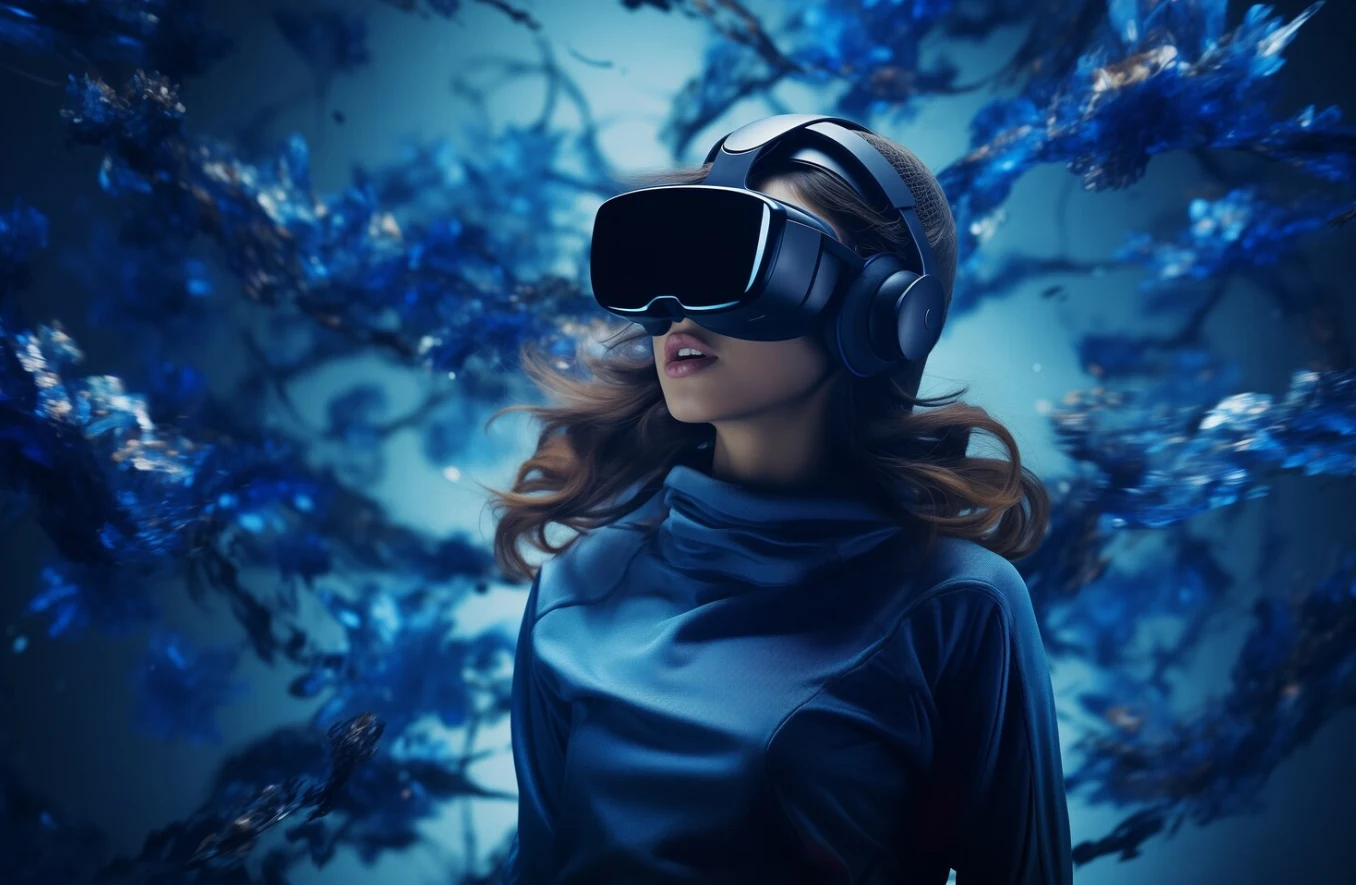
The latest widely-discussed image generation rumor in Google’s Gemini ecosystem is for Nano Banana 2, a sequel rumored to launch in 2026. The name may be cute but the model is no joke; this is another major step forward in AI image generation, proving key advances in realism, prompt understanding and multimodal integration with Google's broader foundational AI.
Examples include running Nano Banana 2 on recent benchmarks and against human creators in head-to-head competition with top image models, including Midjourney, DALL·E-style systems, and many of the best open-source diffusion models. In particular around prompt accuracy and photorealistic rendering many users are now asserting that its either matched or dominated competitors in some areas.
And then the really interesting question is not whether it is powerful, which more than definitely it is; but rather if you should actually migrate to it from your current workflow.
What is Nano Banana 2?
Nano Banana 2 is a component of Google’s Gemini-powered image generation system for synthesizing high-quality visual outputs from text prompts, reference images and multimodal input. It is closely stitched into the Google fold – from Gemini apps to cloud AI tools.
Nano Banana 2 is good for practical use cases, including marketing visuals, concept art, product design mockups like those from Midjourney or DALL-E, UI concepts and more realistic photography-style generative models, too—unlike some earlier image models that were mostly for artistic output.
Google is also baking in these multimodal capabilities so in theory Gemini can understand complex prompts that contain mixed text, context, and image references better than many systems on the market today.
Image Quality and Realism
Overall image realism is one of the biggest qualitative improvements in Nano Banana 2. It generates highly realistic textures, natural lighting, and enhanced depth perception when compared to previous Gemini image systems.
Skin textures, fabric details, reflections and environmental lighting are more physical accurate, particularly on photorealistic prompts. This makes it incredibly ideal for product visualization, advertising concepts and cinematics images.
Compared to conventional AI image models, Nano Banana 2 mitigates these challenges with fine-tuning of its neural networks, decreasing frequency of sawtooth faces, inconsistent shadows and future-horizon object geometry.
Prompt Understanding and Control
Another strength of Nano Banana 2 lies in it's prompt adherence. It has superior comprehension of elaborate multi-part instructions — particularly when prompts provide composition, lighting, style and camera framing details.
That allows it to interpret prompts such as: in a more reliable way.
— Portrait of cyberpunk woman standing in rainy neon street, soft rim lighting, shallow depth of field, ultra-detailed skin texture, 85mm lens :Foto | Cine
Previous models can either completely neglect certain components from such prompts, or misinterpret the context but Nano Banana 2 demonstrates stronger consistency on adhering to detailed instructions.
Speed and Workflow Efficiency
Among the notable benefits of Nano Banana 2 is speed within the Gemini ecosystem. When image generation is fast, someone can easily test all kinds of variations without long wait times.
This makes it especially valuable for designers, marketers and content creators who require fast visual ideas instead of slow, expensive rendering workflows.
Fast iteration speeds up prompt engineering as users can improve results in real-time and converge to desirable outputs much faster than a typical design pipeline.
Creative Flexibility and Style Range
Particularly suited to many different styles, from photorealism to illustration, anime-inspired art,3D rendersand stylised concept art. Such flexibility makes it viable for various industries and creative workflows.
But even where it performs the best, in controllable realistic and semi-realistic outputs — where light accuracy and composition shine the most — the craftsmanship of AI is readily apparent.
In the world of more stylized or abstract art styles, results may remain fickle depending on the quality of the prompts (especially if using it to guide one style based reference).
Comparison: Nano Banana 2 vs Midjourney vs DALL·E-style Models
Compared with Midjourney style models it feels better at making realistic art from prompts but less "art-directed" in highly stylized compositions.
To sum up, artistic aesthetics and creative exaggeration are still Midjourney's forte while Nano Banana 2 is more about structured realism and visual output for practical purposes.
Nano Banana 2 is a lot more sophisticated than typical DALL·E-style systems in detail honing, lighting consistency, and image coherence.
This makes it a great all-rounder, instead of an artistic tool for niche users.
Limitations of Nano Banana 2
Of course, it does have some cons to its name as well. A primary concern is that elaborate prompts with lots of elements could still result in slight artefacts such as objects out of place or details inaccurate.
Another downside is less unpredictability in Art. This does lead to more reliable outputs, but it can also feel less “shock worthy” in comparison to models that are better at producing creative tasks.
Also, being available only under the Google ecosystem means it may not be so free or customizable as some of the open-source solutions.
Should You Switch to Nano Banana 2?
Whether to make the change clearly hinges upon your use case.
For realistic visuals and marketing assets, product mockups or structurally-design-focused design work, Nano Banana 2 is avery capable choice due to its accuracy and quick speed.
However, if your workflow is dependent on lot of artistic experimentation, stylized illustrations or very expressive creative outputs then you will still love using Midjourney or hybrid workflows (2 models combined)
Nano Banana 2 functions best in the context of a multi-tool pipeline for most professional environments instead of a standalone replacement.
Final Verdict
Now, the Google Gemini image generation API is Leap In from Nano Banana 2. Its speed, accuracy and expert-level realistic image production make it one of the best in 2026.
But whether you should switch or not depends on your creative goals. It is a great upgrade for realism and productivity. For pure artistic expression, it is likely best served in conjunction with other models.
In summary, Nano Banana 2 isn't just some viral name it's a serious contender in the AI image generation field.
Comments (1)
https://www.tiktok.com/@jahidmix.lipsing_vibes?_r=1&_t=ZS-9ADUL4E532L
Leave a Comment