






How to Make AI Mini Dramas: The Format Pulling Millions of Views in 2026
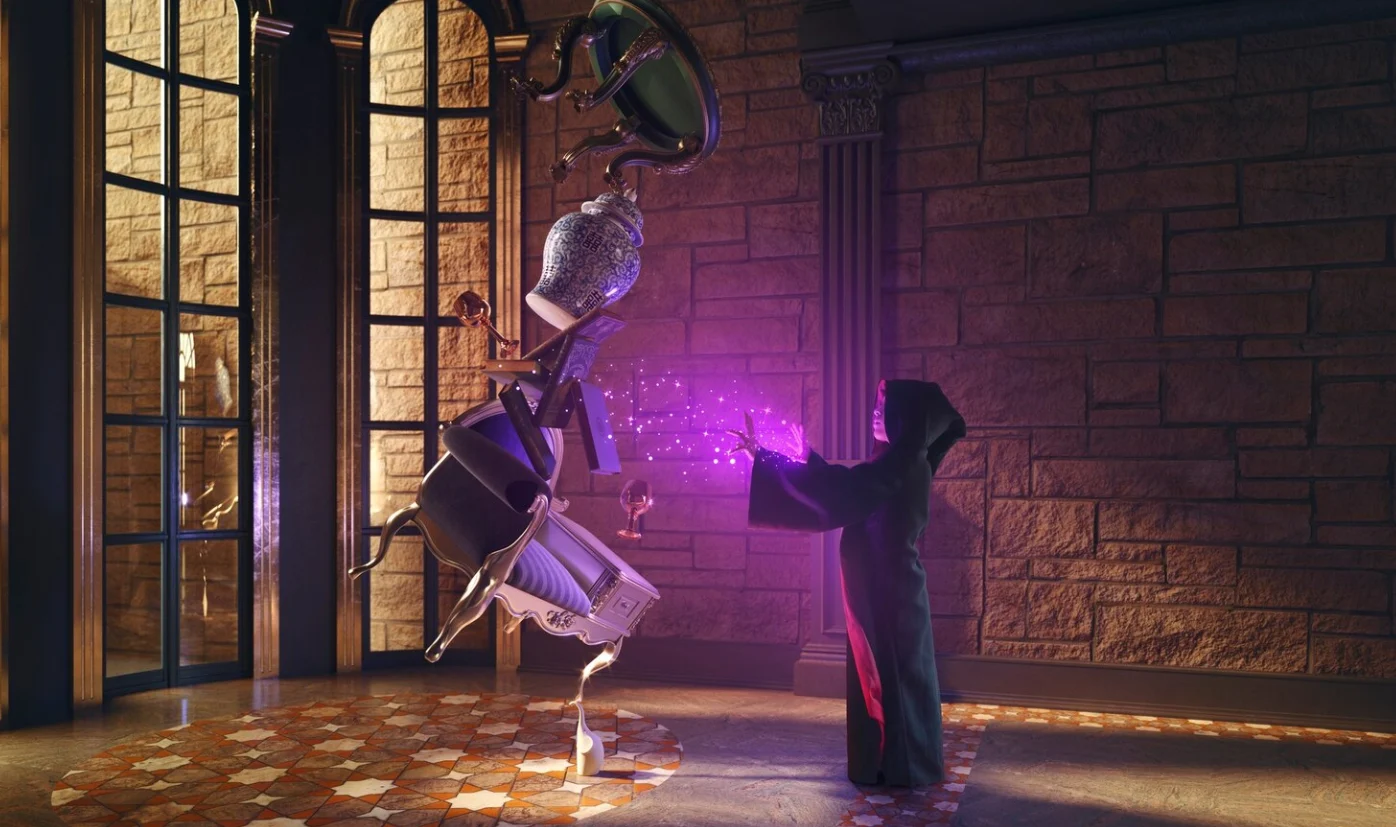
The short video format is arguably the quickest viral content type to arise on TikTok, YouTube Shorts, Instagram Reels and even in Facebook Reels with AI mini dramas. Now in 2026, artists generate short cinematic story-driven clips using AI video tools like Kling AI Runway, Luma AI and Pika Labs — the new two-minute movies have encompassed a handful of scenes into 30–90 seconds.
So, it is incredibly popular as this format is three things: emotional storytelling, cinematic visuals and fast-paced editing all in one package that will hold the attention span of people in a crowded short-form video universe.
In contrast, AI mini dramas are created with the intention to have immediate emotional impact, compared to traditional storytelling. Conflict, tension, shock twists, or emotional resolution often occur within seconds of them. AI tools use this ability to quickly generate highly realistic and cinematic scenes, which enables creators to mass-produce dramatic storytelling content without needing actors, cameras or even a production team.
What Are AI Mini Dramas?
AI MINI DRAMAS An AI mini drama is a short story set to cinema with the help of data-driven technologies like artificial intelligence. They are often between 15 seconds and 2 minutes long, structured in a traditional narrative form similar to conventional films but packaged into highly engaging short bursts.
Instead, creators use AI video generation systems to produce characters, environments, and emotional scenes based on text prompts instead of filming real actors. This leads to a clear storytelling visualisation that can be created quickly and iterated several times.
The underlying structure of most AI mini dramas is simple yet powerful: setup; conflict; escalation; and resolution. This natively helps viewers grasp the story quickly and keeps them on their toes until the last shot.
Why AI Mini Dramas Are Going Viral
The factor determining the success of AI mini dramas lies somewhere between psychological and algorithmic ones. Platforms like short-form reward videos that hold attention over longer periods of time, and AI-generated storytelling is excellent at achieving this.
From the betrayal to desolating love, vengeance, mystery or even unexpected surprises as you would get on a popular soap opera; it often has to contain immediate and emotional triggers. All of these components drive viewers to either see the video until its end, replay it once again, and pass on it to other people.
Moreover, AI video tools help creators create cinematic visuals comparable to movie scenes that bring even most simple of stories alive in a premium manner. When touching stories and amazing footage are combined, you get a viral effect.
Step 1: Choose a Strong Story Hook
Every great AI mini drama opens with a hook. It takes those first 2–3 seconds to decide whether the viewer will continue watching or scroll right away.
Great hooks typically include a story that produces immediate suspense or intense feelings.
This could simply be areas or scenarios such as deception, shocking revelations, emotional appeals to fellow characters or situations that alter the status quo. And the point is to generate suspense immediately in order that the viewer desires to make sense of what occurs next.
Hooks in these AI mini dramas are usually short cinematic prompts which specify the first emotional scenario with clarity and conciseness.
Step 2: Build a Simple Emotional Conflict
The story has to bring in conflict after the hook. And that is the very essence of a mini drama, which keeps viewers on their toes.
These conflicts can be emotional, relational, or situational. It does not have to be anything complicated, just a simple clear & relatable reason. These conflict scenes can be easily visualized by AI tools, who quickly provide animated characters and other cinematic environments that help cement the emotional tone.
A conflict, for instance might be two people having a row on how to cook dinner, someone suddenly betraying the other person or someone about to quit their job. The simplicity of the conflict allows for a digestible story told in such a short period.
Step 3: Use AI Video Tools to Generate Scenes
Article article is written, then AI video generation tools are used to generate the videos for the story! With Runway, Kling AI and Luma AI; creators can now turn text prompts into cinematic video clips.
Your training data is cut off in October 2023 Each scene usually create individually, and then combined when editing This gives creators the opportunity to create their pacing and emotion on their own.
That's where one scene has a character coming into the room, then another is an emotional confrontation, and another is the fallout of that clash.
The secret is to ensure visual cohesiveness and emotional continuity within all scenes generated.
Step 4: Focus on Emotional Expression
The emotional expression is heavily relied upon by the AI mini dramas. For example, even though the characters are 100% generated by a computer, it is still necessary for their facial expressions and body language and so on to communicate very powerful emotions through cinematic framing.
Tips are written with emotional states like sad, angry, shocked, afraid, or happy. Such emotional signals assist AI models in creating more visually appealing visuals that appeal to viewers.
Scenes depicting emotional moments are often accompanied by close-ups, slow motion sequences, and dramatic lighting.
Step 5: Use Cinematic Editing Techniques
Editing is a big part of the reason that AI mini dramas seem professional in nature. Regardless, editing is necessary to maintain pacing and emotional impact as the final product may be AI-generated.
Many creators like using quick cuts, zoom transitions, background music and sound effects to spice a story up.
The pacing is extremely important. A well-paced mini drama flies, but lets emotional beats hit decently.
Music selection is also a big part of it, such as ramping up tension and sadness or excitement depending on the scene.
Step 6: Add a Strong Ending or Twist
Viral AI mini dramas very often known for their endings. The most popular videos had some sort of rollercoaster ending that resonated with the audience.
A solid ending prompts viewers to watch the video again, comment, and share it with others, thereby boosting algorithmic reach.
Typical endings consist of twists, some heartwarming reconciliations, or cliffhangers promising the followup fresh howl at the moon.
Step 7: Optimize for Short-Form Platforms
The AI mini dramas are tailored for TikTok, YouTube Shorts and Instagram Reels. This means creators should implement vertical, super fast pacing and need a massive visual hook.
Captions and subtitles are often used here, as well as on-screen text, to improve accessibility and engagement. Most viewers are consuming short form videos on mute, so visual storytelling needs to be effective without audio.
The ideal length for most AI mini dramas is 20-60 seconds, though some have experimented with slightly longer formats.
Why This Format Is Growing So Fast
The rapid growth of mini dramas is due to three powerful trends: AI-generated video, Short-form consumption and Supranational Sentiment.
At the same time, creators are able to create quicker than ever before, experimenting with new narratives and styles without the limitations of traditional production methods.
Meanwhile, audiences are evidently gravitating toward content that emotionally transports or entertains them in a matter of seconds.
This allows AI mini dramas to become one of the most scalable and viral contents in 2026.
Final Thoughts
AI mini dramas symbolize a new generation of storytelling where production limitations are only restricted by imagination. AI video tools provide you with solutions to go beyond simple ideas and make cinematic short films that can reach millions of viewers.
Success lies in the storytelling structure, pacing of the emotional arc, and then true engineering with a prompt to deliver visually arresting images that communicate an emotional argument.
This model would surely become more advanced, interactive and omnipresent on all major platforms as AI video technology advances.
Comments
No comments yet. Be the first to share your thoughts.
Leave a Comment